

0
My Cart
MAD0.00
No products in the cart.


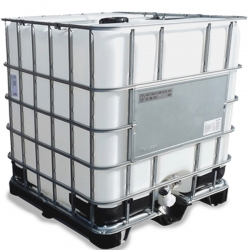
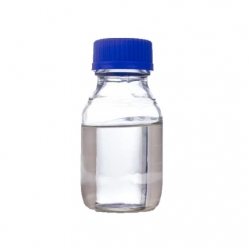


SODIUM FORMATE
MAD0.00
Free Shipping
Sodium formate is used in several processes for dyeing and printing textiles. It is also employed as a buffering agent for strong mineral acids to increase their pH, as a food additive (E237), although not approved in Europe, and as a de-icing agent.


HYDROCHLORIC ACID 30/33%
MAD0.00
Free Shipping
Hydrochloric acid is an aqueous solution of hydrochloric acid (HCl), a colorless to yellowish chemical compound that is highly corrosive and acidic. The concentration of 30/33% indicates the mass concentration of HCl in the solution. It is one of the most commonly used acid solutions in various industrial, chemical, and cleaning applications.


E250 - Sodium Nitrite
MAD0.00
Free Shipping
Sodium nitrite is used in the food industry, primarily as a food additive for its preservation and color-enhancing properties.


Potassium permanganate
MAD0.00
Free Shipping
In diluted solution, potassium permanganate is used for water treatment. It also serves as a disinfectant at a concentration of 0.5 grams per liter, commonly employed for washing vegetables in tropical countries.


Caustic Soda
MAD0.00
Free Shipping
Caustic soda, or sodium hydroxide, is a strong base. Reactive with a wide range of organic and inorganic chemicals, it is soluble in water.


Formic Acid
MAD0.00
Free Shipping
Formic acid is a chemical compound represented by the formula HCOOH, highlighting its chemical composition consisting of hydrogen (H), carbon (C), and oxygen (O). It is an organic acid commonly used in various industrial, agricultural, and pharmaceutical applications due to its acidic properties and reactivity.


SULFURIC ACID
MAD0.00
Free Shipping
Sulfuric acid, formerly known as oil of vitriol or fuming sulfuric acid, is a mineral acid whose strength is surpassed by only a few superacids. It is miscible with water in all proportions.


Phosphoric Acid
MAD0.00
Free Shipping
Phosphoric acid is a mineral triacid. The first function is that of a strong acid, the second that of a weak acid, and the third that of a very weak acid. The three bases formed are dihydrogen phosphate (H2PO4-), hydrogen phosphate (HPO4^2-), and orthophosphate (PO4^3-)


Tartaric Acid
MAD0.00
Free Shipping
An antioxidant added to foods, it imparts a sour taste to them. The most significant use of tartaric acid is as a beverage additive. It is also a raw material for the pharmaceutical industry.


Magnesium carbonate
MAD0.00
Free Shipping
Magnesium Carbonate is a chemical compound represented by the formula MgCO₃, illustrating its composition consisting of magnesium (Mg) and carbonate ion (CO₃). It is commonly used in various applications, including the food industry, medicine, and as a sports additive to improve grip.


Calcium Propionate
MAD0.00
Free Shipping
Calcium propionate is a calcium salt of propionic acid, a carboxylic acid. It is used as a food additive for its preservation properties.


Magnesium Chloride
MAD0.00
Free Shipping
Magnesium chloride is an essential inorganic compound composed of magnesium ions (Mg²⁺) and two chloride ions (Cl⁻). It has a wide range of applications in various fields, ranging from industry to medicine and domestic uses.


Guar gum
MAD0.00
Free Shipping
E412, also known as guar gum, is a naturally-derived food additive widely used in the food industry.


L-Lysine
MAD0.00
Free Shipping
L-lysine is an essential amino acid, meaning our body cannot synthesize it and must be obtained through diet or supplements. The "L" in its name indicates its stereoisomeric configuration, which is the biologically active form. L-lysine plays a crucial role in many biological functions and is used in various medical, nutritional, and industrial applications.


L-Threonine
MAD0.00
Free Shipping
L-threonine is an essential amino acid. L-threonine is obtained through the hydrolysis of proteins by pancreatic enzymes during digestion.


L-Tryptophan
MAD0.00
Free Shipping
L-Tryptophan is an amino acid essential for the growth of young animals and is one of the main amino acids used in feed after lysine, methionine, and threonine. The addition of tryptophan can improve the efficiency of amino acid utilization, increase food intake, promote growth, and enhance immunity. The stress response of piglets after weaning can be alleviated, and reproductive efficiency can be improved with tryptophan, which has been widely used in feed.