

0
My Cart
MAD0.00
No products in the cart.
Best sellers




POTASSIUM NITRATE
MAD0.00
Free Shipping
Preservative, mineral, or synthetic, used in meat-based products.


E451 - Triphosphate
MAD0.00
Free Shipping
E451, or triphosphate, is a food additive used in the food industry. This is the sodium salt of the penta anion polyphosphate, which is the conjugate base of triphosphoric acid.


Carraghénane
MAD0.00
Free Shipping
Carrageenan is valued in the food industry for its gelling and stabilizing properties, making it a useful ingredient for achieving various textures across a wide range of products.
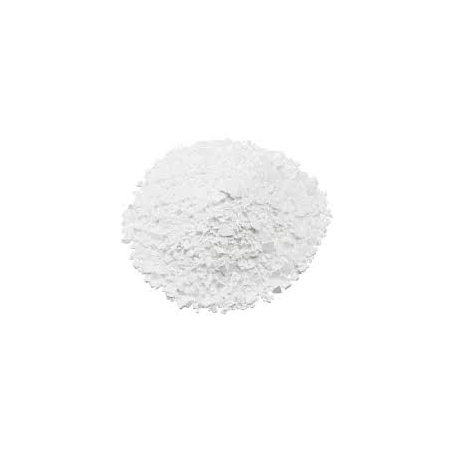
Potassium hydroxide flakes 90%
MAD0.00
Free Shipping
Potassium hydroxide flakes, also known as caustic potash, is a white, odorless solid with the chemical formula KOH. It is a highly basic substance that is used in a variety of industrial applications. Potassium hydroxide is soluble in water and absorbs moisture from the air.
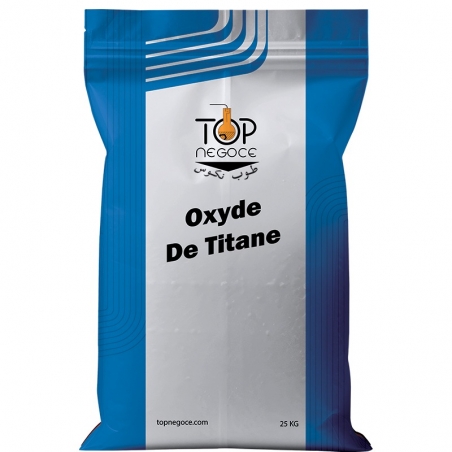
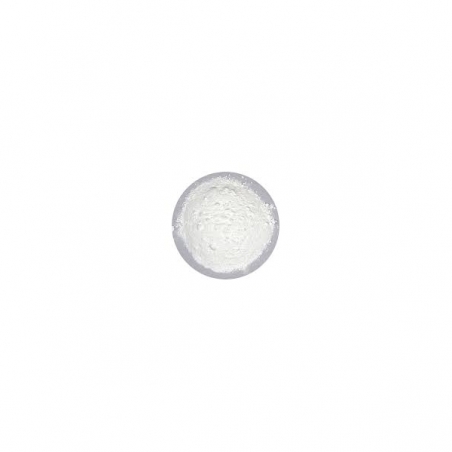
Titanium Dioxide
MAD0.00
Free Shipping
Titanium dioxide is an inorganic chemical compound composed of titanium and oxygen. It has the chemical formula TiO2.
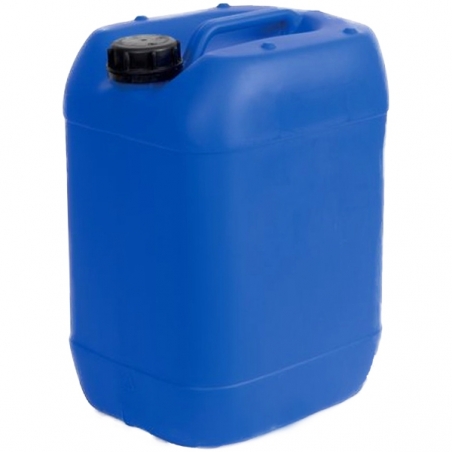
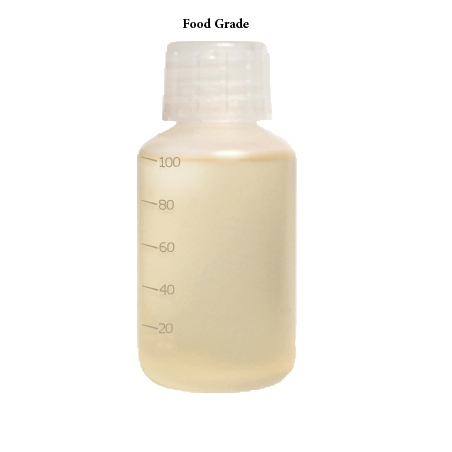
E270-LACTIC ACID
MAD0.00
Free Shipping
Lactic acid is utilized in the food industry as an additive (E270) serving as an antioxidant, acidifier, or flavor enhancer. It also exists in the form of salts: sodium salt (E325), potassium salt (E326), and calcium salt (E327). These salts are in powder form and are water-soluble. Lactic acid acts as a bacteriostatic agent, particularly against pathogenic bacteria such as Salmonella or Listeria, and also has a water activity-depressing effect.
Lactic acid is an organic compound, naturally forming in muscles during intense exercise to produce energy. It is also present in wine, dairy products, and certain vegetables after fermentation.


Boric Acid
MAD0.00
Free Shipping
Boric acid (boracic acid or orthoboric acid) is a weak acid often used as an antiseptic, insecticide, neutron absorber in nuclear power plants to control the fission rate of uranium, and as a precursor to other chemical compounds.


L-Lysine
MAD0.00
Free Shipping
L-lysine is an essential amino acid, meaning our body cannot synthesize it and must be obtained through diet or supplements. The "L" in its name indicates its stereoisomeric configuration, which is the biologically active form. L-lysine plays a crucial role in many biological functions and is used in various medical, nutritional, and industrial applications.


Monoethylene Glycol
MAD0.00
Free Shipping
Monoethylene Glycol is the simplest chemical compound in the glycol family. Ethylene glycol is commonly used as an antifreeze in automotive coolant.


ACTIVE CHLORINE POWDER
MAD0.00
Free Shipping
The term "active chlorine powder" is generally used to designate chlorine powder ( ), which is a solid form of chlorine gas. Powdered active chlorine is used as a disinfectant in a variety of industrial and commercial applications, including drinking water, swimming pool and wastewater treatment.


Polydadmac
MAD0.00
Free Shipping
PolyDADMAC, or Polydiallyldimethylammonium Chloride, is a cationic organic polymer belonging to the polyquaternium family. It is commonly used as a coagulant, flocculant, and conditioning agent in various water treatment processes and personal care products.


Bicarbonate De Sodium
MAD0.00
Free Shipping
Sodium Bicarbonate, also known as baking soda, is a chemical compound with the formula NaHCO3. It is a white, crystalline powder that is soluble in water.


Calcium Sulfate
MAD0.00
Free Shipping
Calcium sulfate is a chemical compound represented by the formula CaSO₄, where Ca stands for calcium and SO₄ represents the sulfate group. It is widely used in various industries for different applications, including construction, agriculture, medicine, and food.
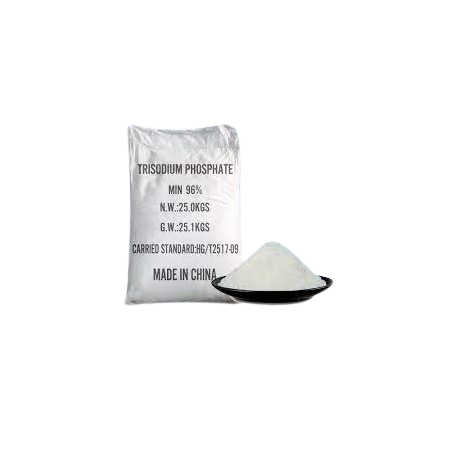

Phosphate trisodique technique
MAD0.00
Free Shipping
Phosphate trisodique technique, also known as trisodium phosphate (TSP), is a white, odorless, crystalline solid with the chemical formula Na3PO4•12H2O. It is a highly soluble salt that is commonly used as a cleaning agent, degreaser, and water softener. TSP is also used in a variety of industrial applications, such as pulp and paper production, metal finishing, and textile processing.


Propylene Glycol
MAD0.00
Free Shipping
Propylene glycol, also known as 1,2-propanediol, is a chemical compound in the glycol class.


Xanthan Gum
MAD0.00
Free Shipping
Xanthan gum is a polysaccharide obtained from the action of a bacterium, Xanthomonas campestris. It is soluble in cold water and is used as a food additive under the code E415 for its thickening and gelling properties to modify the consistency of food.